2026: The Year Tesla's Cybercab Arrives
Tesla has confirmed that its steering-wheel-free robotaxi will begin reaching private customers before the calendar year ends, following a period of intense speculation.
By Naledi Dlamini ·
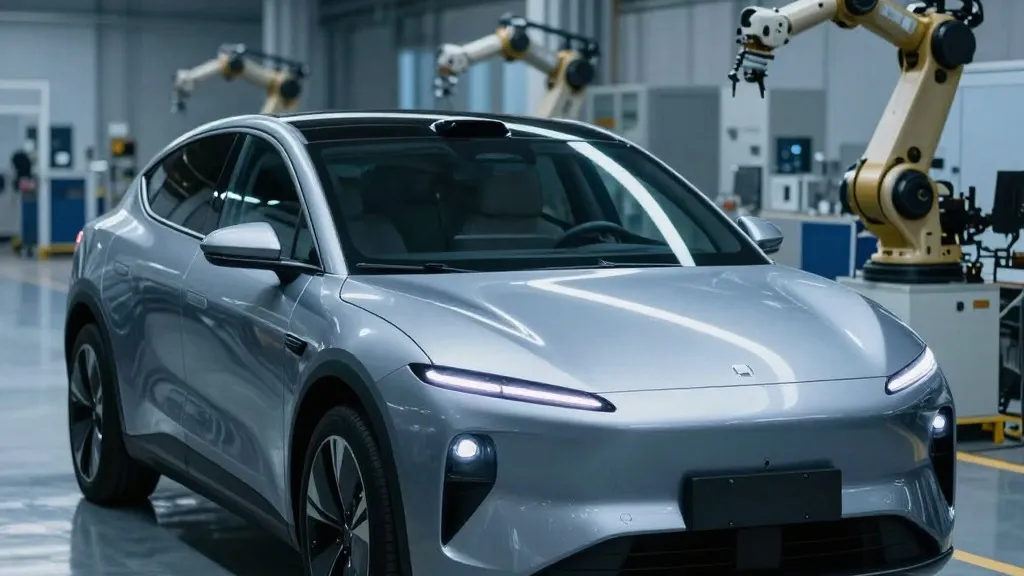
The automotive industry has long been watching Tesla’s development of its most radical vehicle design, a two-seater devoid of traditional controls. On Wednesday, October 21, the company provided a definitive timeline for the market availability of this technology during its third-quarter 2026 earnings call, effectively ending months of uncertainty regarding the launch window.
Tesla Vice President of Engineering Lars Moravy stated that the company is targeting the delivery of Cybercab units to customers before the end of 2026. He confirmed that production is currently active on the assembly line at Gigafactory Texas. However, Moravy clarified that all vehicles currently coming off the line are being allocated to Tesla’s internal Robotaxi fleet rather than being sold directly to individual buyers.
The distinction between fleet operations and private ownership is central to the current strategy. CEO Elon Musk described the Cybercab primarily as a "transport-as-a-service" offering, distinguishing it from traditional ownership models like the Model 3, Model Y, or the upcoming Roadster. Musk noted that the "vast majority" of Cybercab units will remain owned by Tesla, suggesting that private sales will represent a smaller segment of the total output in the initial phase.
Moravy explained that the rollout of private deliveries will begin on a small scale. This gradual approach allows the company to refine its understanding of delivery logistics, ownership structures, and the complexities of managing autonomous vehicles once they leave Tesla’s direct operational control. The Cybercab, which has been in production since February, relies entirely on Tesla’s Full Self-Driving suite, as it lacks a steering wheel or pedals.
The vehicle has already entered active service; early units were integrated into the Robotaxi program in early September when the company opened rides to the general public. Tesla has previously indicated an approximate price point of $30,000 for the vehicle, a figure that remains relevant as the company transitions from internal testing to external sales.
Despite the confirmed timeline, several hurdles remain. Ashok Elluswamy, Tesla’s Head of AI, indicated during the same call that unsupervised Full Self-Driving is not expected to ship to consumer cars until the second quarter of 2027. This suggests a potential disconnect between the hardware arriving in late 2026 and the full software maturity required for unrestricted autonomous operation.
Regulatory frameworks may also impact the user experience. Early buyers or fleet operators may receive vehicles whose autonomous capabilities are geographically restricted due to the slower pace of regulatory agencies. Consequently, while the hardware is ready for customer handover, the operational environment will continue to evolve alongside the fleet.
For the Pacific Northwest and other regions, this timeline signals that the era of self-driving passenger vehicles is moving from theoretical to tangible within months. The focus remains on how Tesla balances the need for rapid fleet expansion with the logistical challenges of introducing a new class of autonomous vehicle to private owners.
Source: Teslarati